How to Source Products from China Successfully
A Step-by-Step Guide for International Buyers
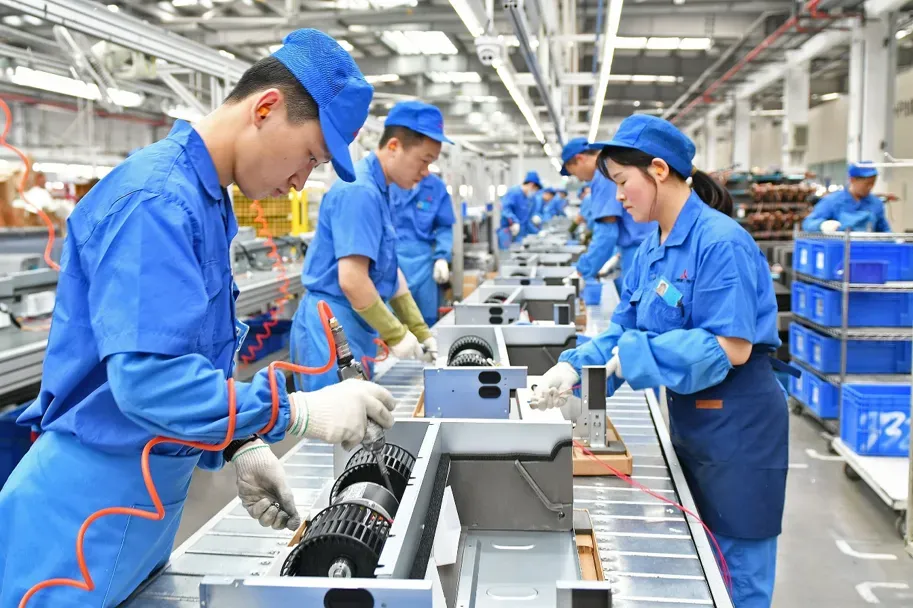
China has become one of the world's largest manufacturing hubs, supplying products to businesses across almost every industry. From consumer goods and electronics to industrial equipment, packaging materials, furniture, and customized products, companies around the world turn to China for competitive pricing, advanced manufacturing capabilities, and a wide range of supplier options.
However, successfully sourcing products from China requires more than simply finding a supplier online. Businesses must understand how to identify reliable manufacturers, verify suppliers, manage product quality, negotiate effectively, and coordinate international shipping.
For many international buyers, the biggest challenge is not finding products in China, it is finding the right supplier and managing the entire sourcing process smoothly.
At Wenzhou Zhuohuan Trading Co., Ltd., we help businesses source products from China with confidence by connecting them with verified manufacturers, supporting supplier communication, conducting quality checks, and coordinating the process from factory to final delivery.
This guide explains the essential steps every business should follow when sourcing products from China.
Step 1: Define Your Product Requirements Clearly
Start with a detailed product brief. Vague specifications are one of the biggest causes of sourcing problems, leading to inaccurate quotes and production issues.
Describe your product thoroughly, including name, materials, dimensions, target quantity, quality standards, packaging needs, required certifications, and delivery timeline. For custom items, include drawings, reference images, technical specs, and any existing samples.
The more complete your requirements, the better suppliers can respond and the smoother the entire process becomes.
Step 2: Find Reliable Suppliers
China has millions of manufacturers and trading companies, so focus on quality over quantity when searching. You can discover suppliers through online B2B platforms, industry trade shows, referrals, or professional sourcing agents. However, don’t rely solely on attractive listings and low prices. Evaluate their years of experience, production capacity, export history, certifications, and communication quality.
A reliable supplier should answer your questions clearly about materials, production processes, and timelines.
Step 3: Verify the Supplier Before Committing
Thorough verification is critical to avoid common pitfalls like poor quality, delays, or scams. Check the supplier’s business registration, factory address, company history, and export records. Whenever possible, arrange a factory visit or third-party inspection to assess their facilities, equipment, workforce, and quality control procedures. Request product samples, past project examples, and relevant test reports. This step significantly reduces risks before you place an order.
Step 4: Test with Product Samples
Never commit to large orders without first evaluating samples. They let you assess appearance, material quality, functionality, packaging, and overall manufacturing standards. For custom products, samples are essential to confirm the supplier understands your exact requirements. Review them carefully against your specifications and request adjustments before approving mass production.
Step 5: Negotiate Pricing and Terms
While price matters, the cheapest option often compromises quality or reliability. Negotiate for the best overall value, considering product standards, production timeline, payment terms, warranties, and shipping options. Common secure payment methods include T/T bank transfers and Letters of Credit. Always document agreements clearly before production begins.
Step 6: Maintain Quality Control at Every Stage
Don’t wait until the end to check quality. Conduct inspections at key points: before production (to verify materials and schedule), during production (to monitor consistency), and before shipment (to confirm quantity, packaging, and final standards).
This proactive approach helps catch issues early and ensures products meet your expectations.
Step 7: Plan Shipping and Import Logistics
Understand international shipping terms to control costs and responsibilities. Options like EXW, FOB, CIF, and DDP determine who handles what from factory pickup to customs clearance and duties.
Your choice should depend on order volume, product type, destination country, and timeline. A trusted partner can simplify logistics and avoid unexpected fees.
Step 8: Prioritize Clear Communication
Language barriers, time differences, and cultural nuances can complicate sourcing. Respond promptly, document everything, and set clear expectations throughout the process.
Working with a local sourcing team in China greatly improves communication and gives you better control.
Common Mistakes to Avoid
Basing decisions only on the lowest price
Skipping supplier verification or sample testing
Placing large orders without proper quality checks
Overlooking shipping and customs details
Maintaining poor or inconsistent communication
How Wenzhou Zhuohuan Trading Co., Ltd. Helps
Sourcing from China offers major opportunities, but managing it remotely is challenging. We provide full-service support, including supplier sourcing and verification, quality inspections, price negotiation, production follow-up, and shipping coordination.
Our local presence and established manufacturer network help businesses reduce risks and build reliable supply chains.
Conclusion
Successful sourcing from China comes down to careful planning, thorough due diligence, consistent quality control, and strong partnerships.
By following these steps, you can develop a sustainable and cost-effective supply chain.
If you’re ready to source with confidence, contact Wenzhou Zhuohuan Trading Co., Ltd. today. Our team is here to support your business from supplier selection through final delivery. Before searching for suppliers, it is important to have a clear understanding of what you need.
Many sourcing problems happen because buyers approach suppliers without complete product information. A detailed product requirement helps manufacturers provide accurate quotations and reduces misunderstandings.